The floor is the largest surface in the house and the hardest one to change. How the main options behave with heat, humidity, sand and underfloor heating.
Walls can be repainted in a weekend and furniture can be moved, but a floor is chosen once. It covers more surface than anything else in the house, it sets the colour of every room, and replacing it means emptying the house. In a Mediterranean home it also has a demanding job: it must stay cool in summer, feel pleasant underfoot in winter, cope with sand, wet feet and the occasional spilled glass of wine, and look better, not worse, with age.
There is no single right answer. There are four families of material that suit the climate, each with its own character and its own care. Here is how they compare.
Natural stone: the classic Istrian choice
Stone floors belong to this landscape. Istrian stone, a dense pale limestone, has been quarried on the peninsula for centuries and was shipped across the Adriatic for the palaces and churches of Venice. Limestone and other natural stones keep a room cool in summer, take underfloor heating well, and develop a soft patina rather than wearing out.
The finish matters as much as the stone. Polished stone looks elegant but can be slippery when wet and shows every scratch. Honed, brushed or tumbled finishes are matt, safer near terraces and pools, and kinder to sand being walked in. Softer limestones can be marked by acids such as lemon juice or wine, so they need sealing and a little care in kitchens.
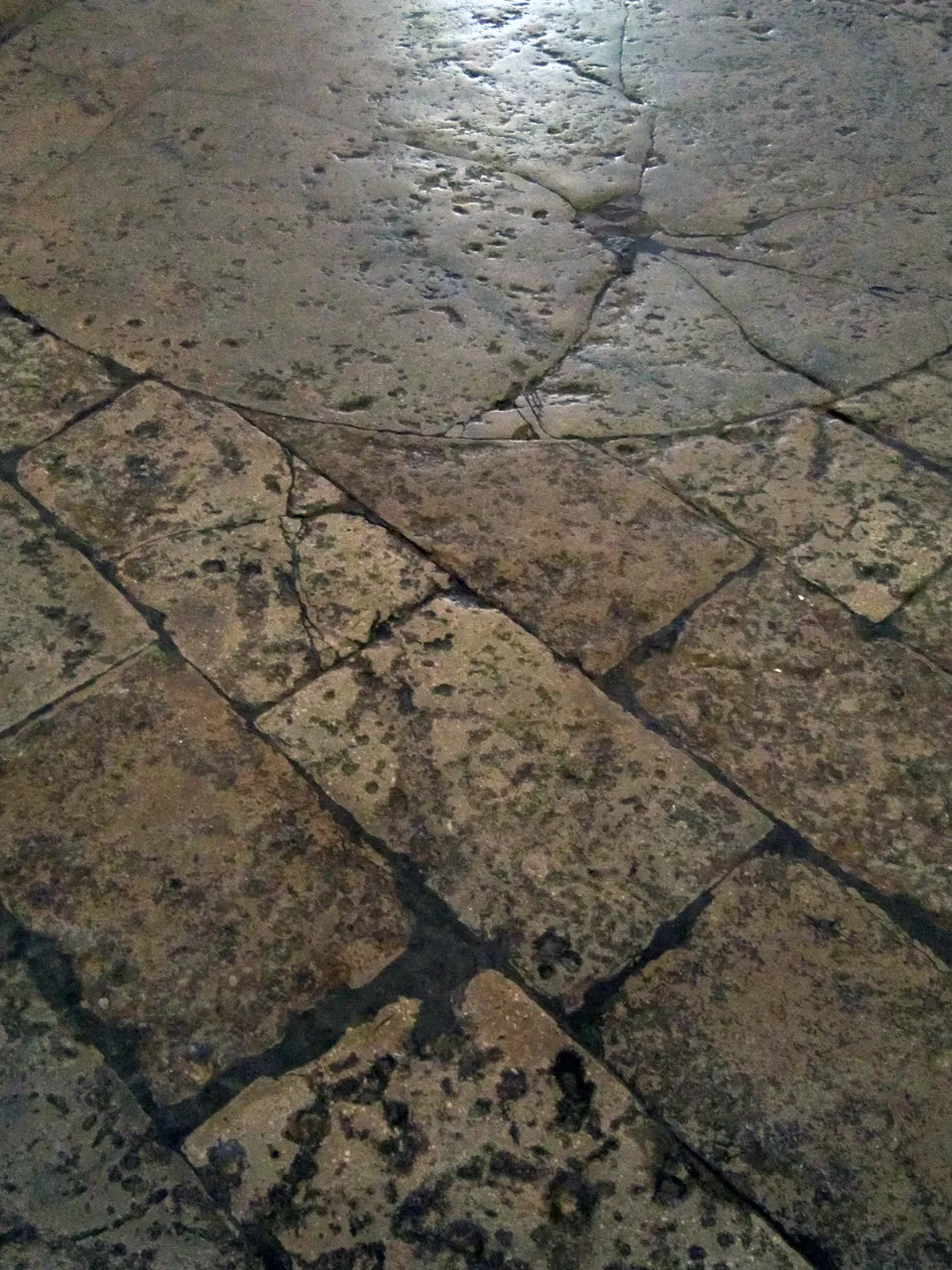
- Best for: living areas, entrances, terraces flowing indoors, older stone houses.
- Watch for: slippery polished finishes, acid marks on soft stones, the weight of thick slabs on upper floors.
- Care: seal according to the supplier's advice, clean with neutral products.
Terracotta: warm, porous and full of character
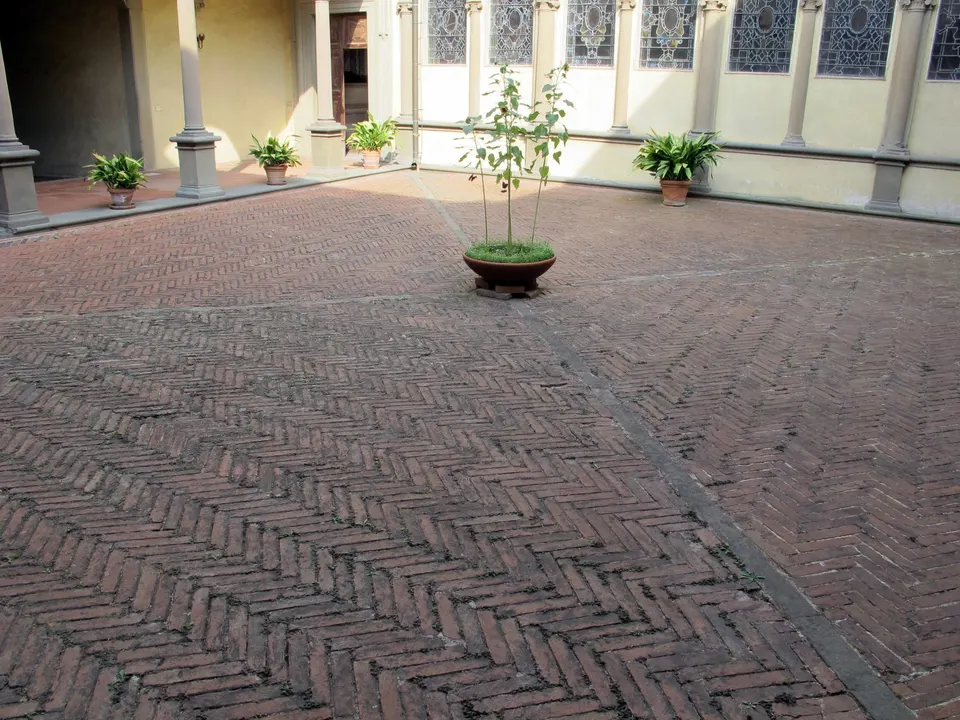
Handmade terracotta tiles give a room warmth that few materials match. Every tile varies slightly in colour and shape, and the floor deepens in tone as it ages. It is the floor of countless old farmhouses and town houses around the Mediterranean, and it suits rustic and restored interiors especially well.
Terracotta is porous. Unsealed, it absorbs oil, wine and water and can stain. Properly treated with a sealer or traditional oil and wax, it becomes far more practical, but it still asks for occasional maintenance. Reclaimed terracotta from old buildings is sought after for restorations; check that tiles have been cleaned and that enough of the same batch is available for the whole room.
- Best for: living rooms, kitchens and bedrooms in traditional houses.
- Watch for: staining before it is sealed, uneven tiles under furniture legs.
- Care: periodic resealing or waxing, as advised by the installer.
Oak: warmth underfoot, with conditions
A wooden floor softens a stone house and makes bedrooms feel calm. Oak is the most common choice: hard enough for daily life and beautiful as it ages. The choice that matters most on the coast is between solid boards and engineered boards.
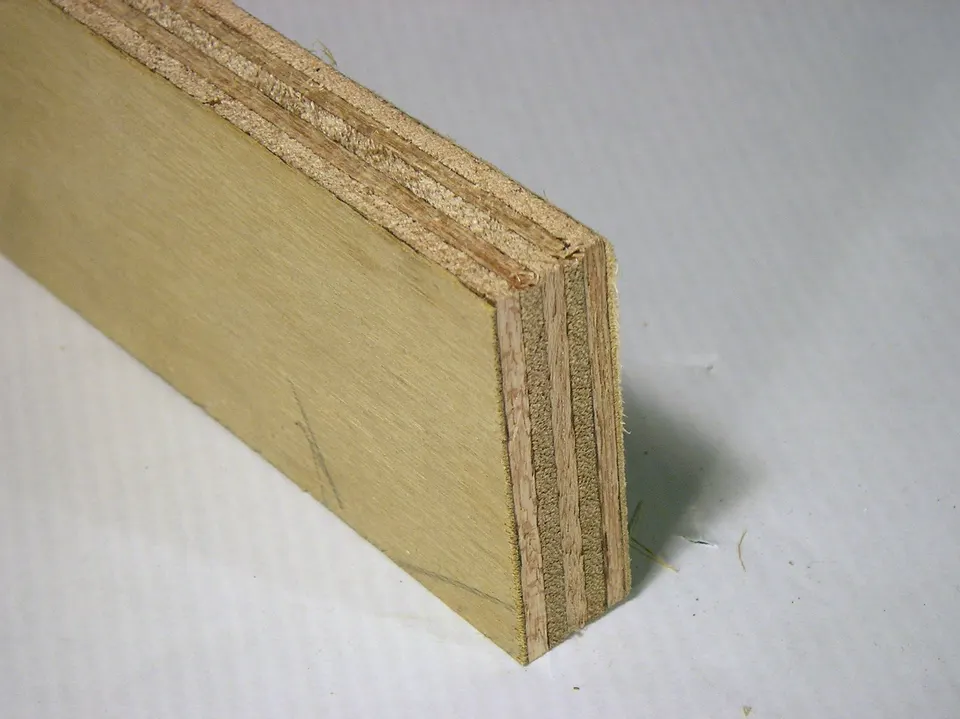
Solid wood moves with humidity: it swells in damp summers and shrinks in dry, heated winters, which can open gaps or cause boards to cup. Engineered oak has a top layer of real oak bonded to a cross-layered base, usually of plywood. The cross-layering works in the same way as in plywood furniture: it keeps the board stable. That makes engineered oak the safer choice over underfloor heating and in houses that are closed for long periods. Ask the flooring supplier to confirm the board is suitable for your heating system.
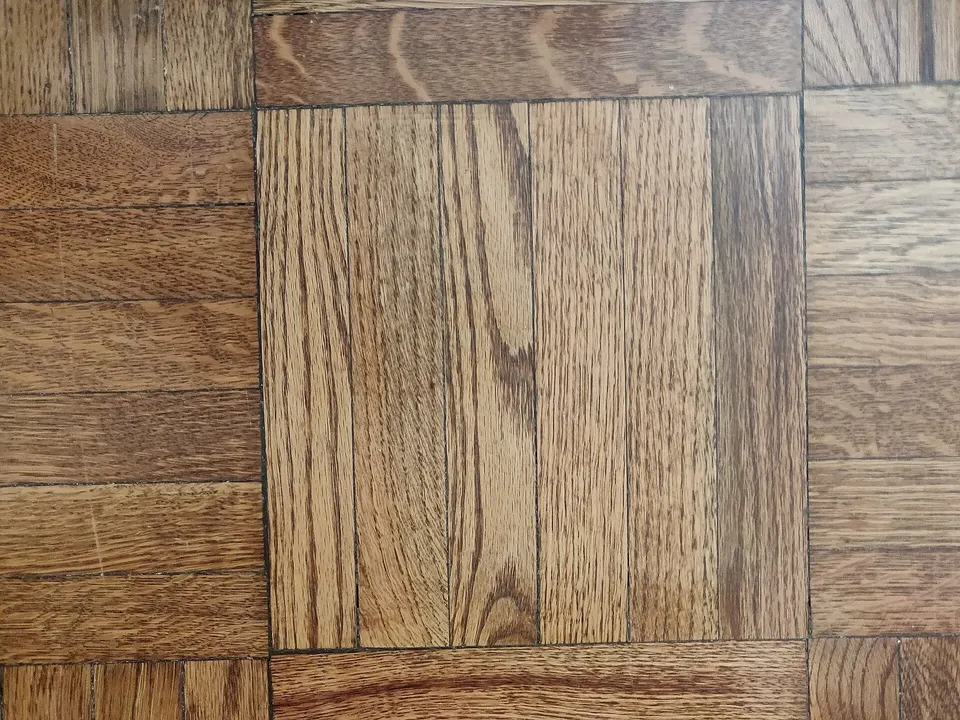
- Best for: bedrooms, studies and living rooms away from terrace doors.
- Watch for: sand acting like sandpaper, standing water from wet swimsuits, strong sun fading the surface.
- Care: oiled floors can be spot-repaired; lacquered floors resist stains better but are harder to repair locally.
Choose the floor for the worst day of the season, not the day of the photographs.
Porcelain and ceramic tiles: the practical option
Modern porcelain tiles absorb very little water, resist stains and scratches, and cope with almost anything a holiday house can throw at them. They come in large formats that make rooms feel generous, in stone and terrazzo looks, and in wood-effect planks for bathrooms and kitchens where real wood would struggle. For a villa that is rented by the week, they are often the most sensible choice for kitchens, bathrooms, entrances and anywhere that opens directly onto a pool terrace.
The weakness is character. Even the best imitation lacks the depth of real stone or terracotta, and a whole house in one tile can feel like a hotel corridor. Many owners combine materials: porcelain in the wet and busy areas, stone or oak in the rooms where people linger. Cement tiles, with their patterned faces, can add colour to a kitchen or bathroom floor, but they are porous and need sealing like terracotta.
How do I choose? A quick comparison
- Coolest in summer: stone and porcelain, then terracotta. Wood feels warmest.
- Best with underfloor heating: stone and porcelain; engineered oak if the supplier approves it.
- Easiest for rentals: porcelain, then sealed stone.
- Most character: reclaimed terracotta and natural stone.
- Most forgiving of sand: honed or tumbled stone and matt tiles.
- Quietest: wood. Hard floors echo, so plan rugs and soft furnishings.
Floors and furniture: think about them together
A floor changes how furniture behaves. Stone and tiles are hard on chair legs and on anything dropped; felt pads and solid plinths help. Uneven terracotta and old stone mean that wardrobes and kitchen units need adjustable feet or are better built to measure and scribed to the floor. Underfloor heating means that furniture standing directly on the floor must cope with warmth from below.
This is one more reason Lampisa builds in plywood rather than particleboard: it keeps its shape where floors are warm or uneven and where humidity changes with the seasons. Built-in pieces are measured on site and fitted to the real floor, not to the plan. When you use the From moodboard to render service, the 3D render shows your furniture in the room, which is a good moment to test how a dark oak floor or a pale stone floor changes the whole scheme.
For more on materials in this climate, read materials that live with sea salt and sun, and on softening hard floors, rugs and textiles for warm climates.