The entrance is the first room guests see and the one that takes the most punishment. How to plan a hallway that copes with sand, wet towels and suitcases and still welcomes people in.
In a house by the sea, the front door is a border crossing. On one side are sand, salt, wet towels, flippers, sun hats and dripping umbrellas. On the other side is the house you want to keep clean and calm. Everything that crosses that border stops in the entrance, and if there is nowhere to put it, it ends up on the floor, on the stairs or on the sofa.
Many villas give the entrance little thought. Older stone houses often have no hall at all: the door opens straight into the living room or the old konoba on the ground floor. Modern villas sometimes have a generous hall but nothing in it except a mirror. In both cases, a little planning makes daily life much easier.
What does a coastal entrance need to hold?
Start with a list of what passes through the door in a typical summer day, and in winter. For a family or a group of guests, it is usually more than expected.
- Shoes: beach sandals, walking shoes, smart shoes for dinner, for every person in the house.
- Coats and bags: light jackets for windy evenings, beach bags, backpacks.
- Beach gear: towels, mats, snorkels, a parasol, children's toys.
- Keys and small things: car keys, sunglasses, the house key, post.
- Luggage: suitcases on arrival and departure days.
- In winter: umbrellas, boots and heavier coats.
Which floor works best by the front door?
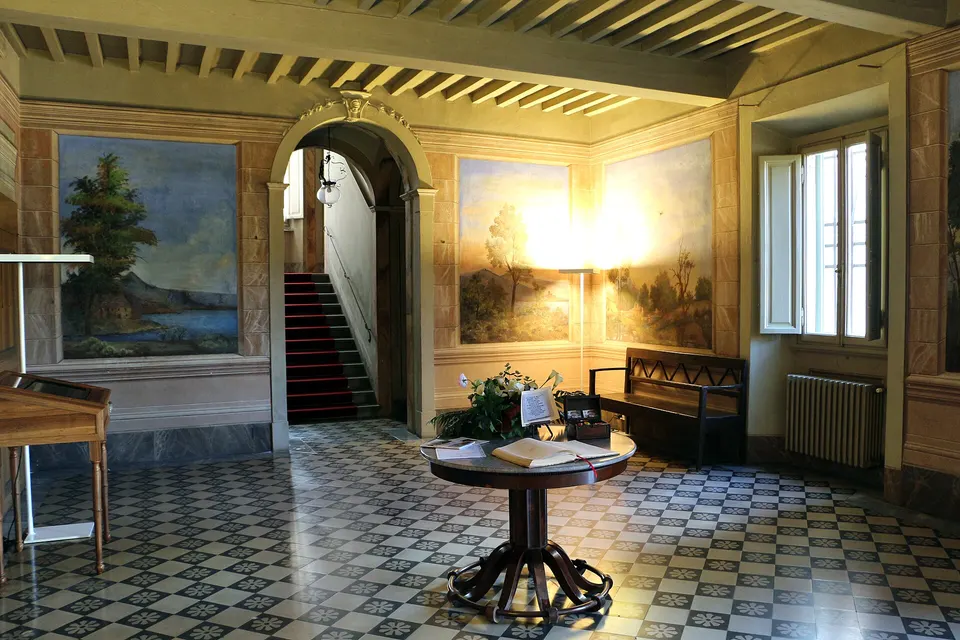
The entrance floor takes the most wear in the house. Choose something hard, matt and easy to sweep: natural stone with a honed or brushed finish, matt porcelain, or sealed terrazzo. Avoid polished surfaces that become slippery when wet feet come in from the pool, and avoid oak right by the door, because sand acts like sandpaper on wood. Our guide to flooring for Mediterranean homes compares the options.
Mats are the cheapest protection a house can have. Use a coarse one outside to catch sand and grit, and a second, absorbent one inside. A recessed mat well, cut into the floor so the mat sits flush, looks tidy and stops the mat from sliding. Plan it before the floor is laid.
How do you store shoes in a hallway?
Shoes are the problem in almost every entrance. Open racks are quick to use but look untidy and collect sand. Closed shoe cupboards with ventilated doors, or with slots and gaps for air, keep the hall calm and let damp shoes dry. Shallow cupboards with angled shelves fit into narrow corridors where a standard cupboard would block the way. A bench with shoe storage underneath gives people somewhere to sit while they take off sandy shoes, which saves the floor further in.
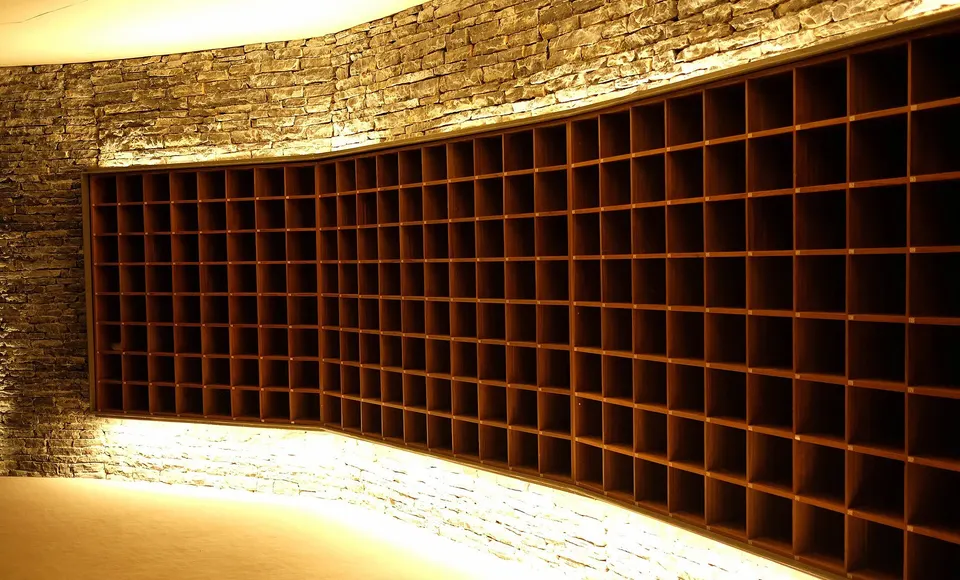
Hooks, benches and a tall cupboard
The most useful hallway combines three simple elements. A row of sturdy hooks at adult height, and a second row lower down for children, takes jackets, hats and beach bags in seconds. A bench gives a place to sit and something to put bags on. A full-height cupboard hides everything that should not be on show: the vacuum cleaner, the parasol, folding chairs, suitcases between trips.
Make sure wet things can dry. Towels and swimsuits hung in a closed cupboard will smell within a day. Leave hooks in the open air, ideally near a window, or plan ventilated doors. In larger villas, a small utility room or outdoor shower area near the entrance can take the sandiest part of the routine out of the house altogether.
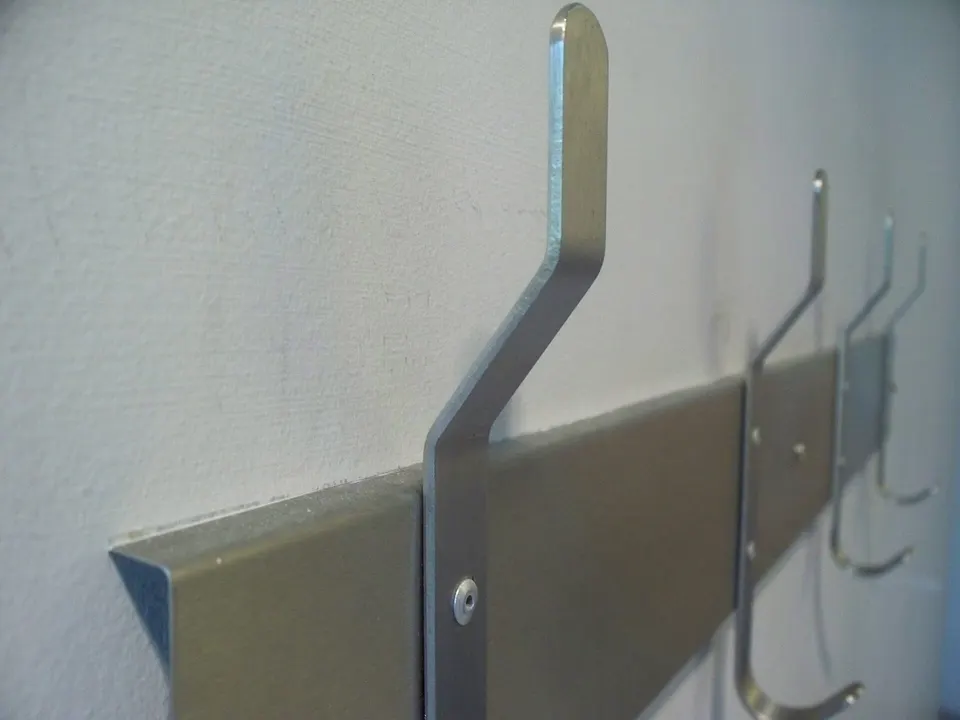
A good entrance makes it easy to do the right thing: take off your shoes, hang up the towel, drop the keys in the same place every time.
What if the house has no entrance hall?
In many old Istrian houses the front door opens straight into a living space. Furniture can create an entrance where the walls do not. A low cupboard or a bench set at a right angle to the door marks a small arrival zone. A tall unit can act as a partial screen. A rug of a different texture shows where outside ends and inside begins. Built-in joinery fitted to the irregular stone walls makes the most of every centimetre without looking like an afterthought.
Light and the first impression
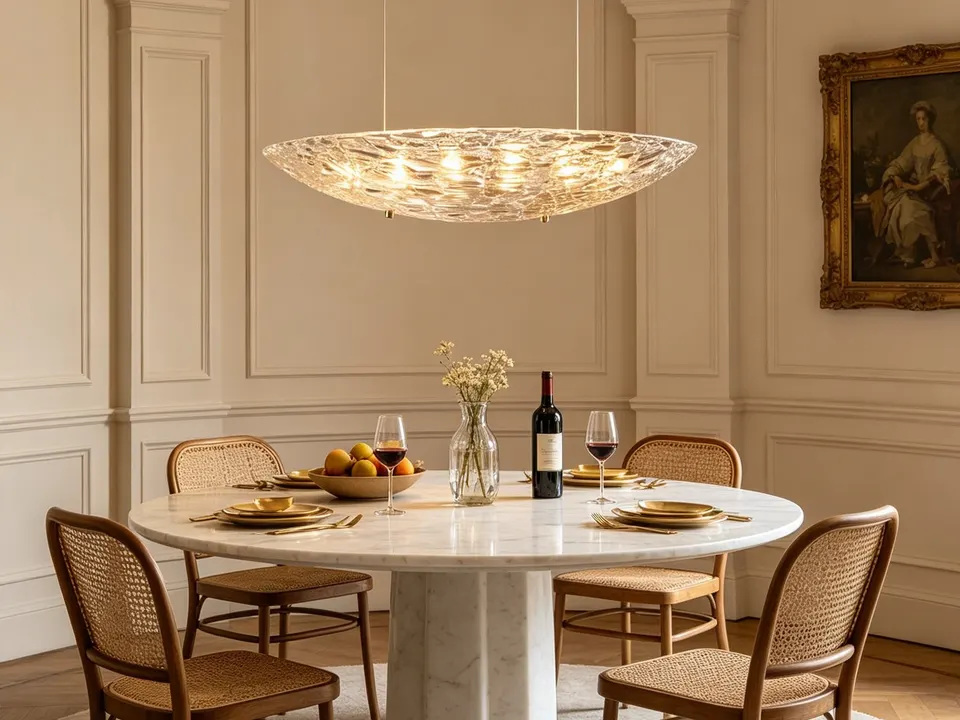
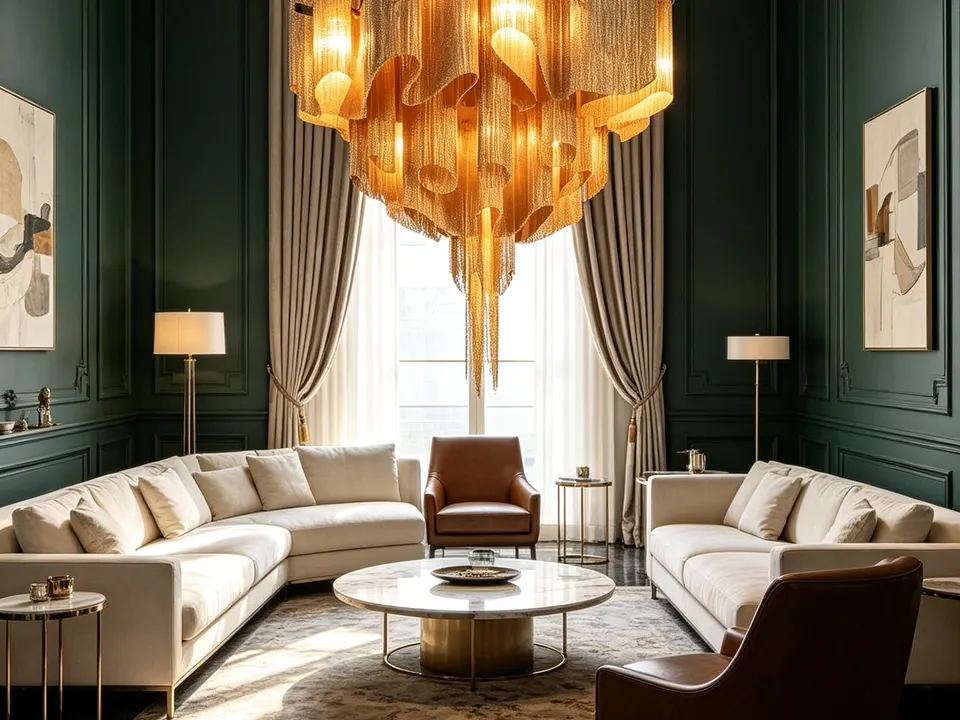
The entrance is the first room guests see and often the last one they remember. A beautiful pendant, a warm wall light by the mirror, or a lit niche makes arrival in the dark welcoming. In double-height halls and stairwells, a Murano glass pendant from Lampisa's catalogue can become the centrepiece of the whole house. A light on a sensor or a switch right by the door saves people fumbling for switches with arms full of bags.
For rental villas, the entrance is also the place for practical information: a small board or shelf with the house guide, the internet password and local tips, so guests do not have to search the house for them.
Built to measure, built to last
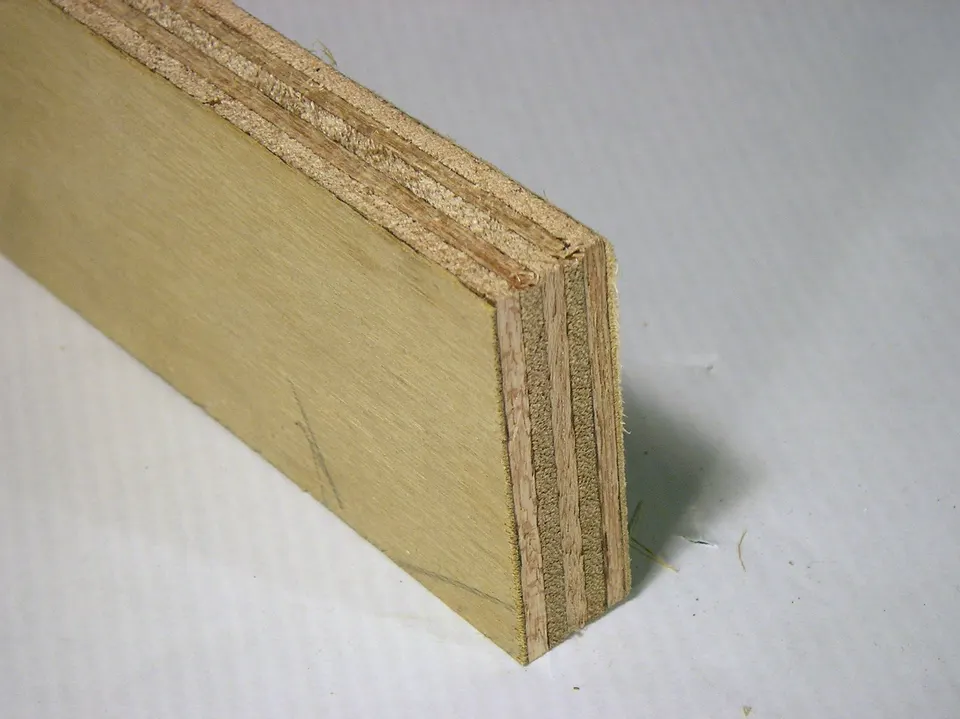
Hallway furniture is opened, closed, knocked and leaned on more than almost anything else in the house, and it sits closest to the damp and salt that come in from outside. Lampisa builds its cupboards, benches and shoe storage in plywood, never particleboard, because plywood stands up to humidity far better and its hinges and fittings keep holding after years of use. Every piece is measured on site, so it fits the real walls rather than the plan. Our guide to storage ideas for villas looks at the rest of the house.