The northern Adriatic hides one of the best-known wrecks in the Mediterranean, along with rocky reefs full of life. What to expect when you dive in Istria.
Istria is not the first name that comes to mind when people think of diving, yet the northern Adriatic has a long maritime history and a seabed to match. Two world wars, busy shipping lanes and a rocky coast have left wrecks along the peninsula, and the reefs closer to shore are full of octopus, scorpionfish, nudibranchs and shoals of small fish. For beginners, it is a calm and accessible place to learn. For experienced divers, it holds one of the most famous wrecks in the Mediterranean.
What is the Baron Gautsch?
The Baron Gautsch was a passenger steamer of the Austrian Lloyd company, running between Trieste and the Dalmatian coast. In August 1914, in the first weeks of the First World War, she strayed into a minefield laid by the Austro-Hungarian navy itself off the Istrian coast, struck a mine and sank within minutes, between Rovinj and the Brijuni islands. Many passengers and crew lost their lives, and the sinking is remembered as one of the great maritime tragedies of the Adriatic.
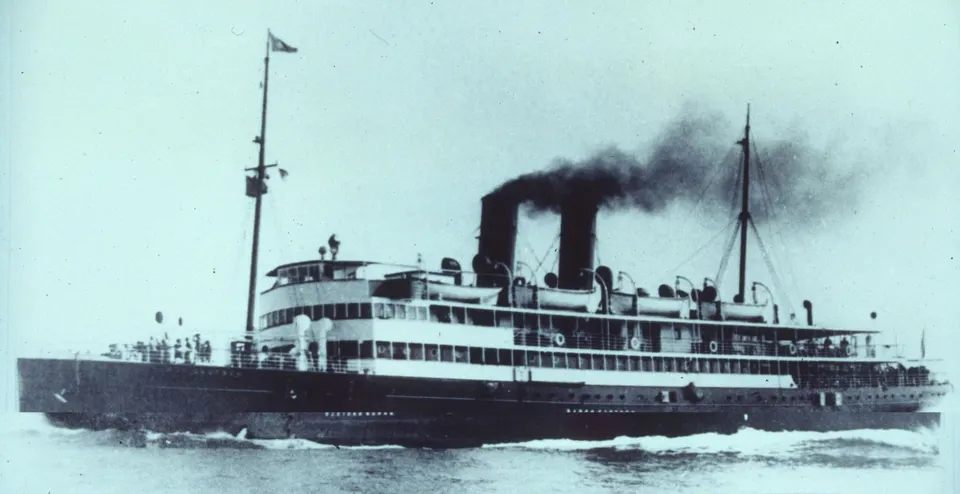
Today the wreck lies upright on the seabed, largely intact, and is protected as part of Croatia's cultural heritage. It is a deep dive, beyond the limits of a beginner's certification, and it is visited with licensed dive centres that know the site, its currents and the rules that apply to it. For those with the right training and experience, it is one of the defining dives of the Adriatic: a large passenger ship, its decks now covered in marine life, lying in the half-light of the open sea.
A large passenger ship, its decks now covered in marine life, lying in the half-light of the open sea.
Other wrecks along the coast
The Baron Gautsch is not alone. The waters off Istria hold other wrecks from both world wars and from more ordinary shipping accidents, from warships and auxiliary vessels to cargo ships. Among the best known is the Coriolanus, a British naval vessel lost to a mine near the end of the Second World War off the west coast of Istria. Many wrecks are protected, and diving on them is allowed only under specific conditions, usually through authorised dive centres. Ask locally which sites are open, at what level of certification, and under which rules.
Reefs, walls and what lives there
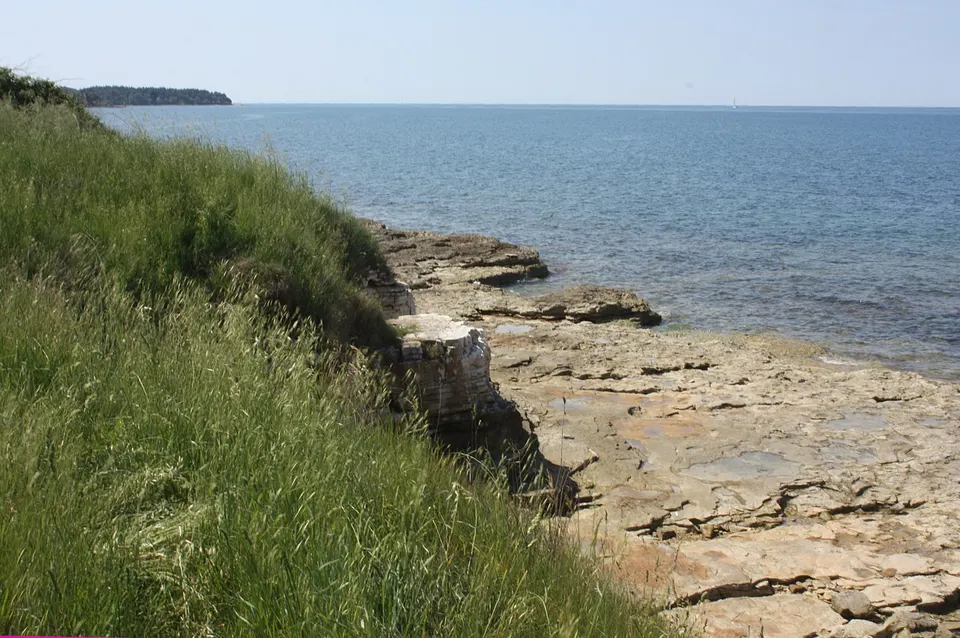
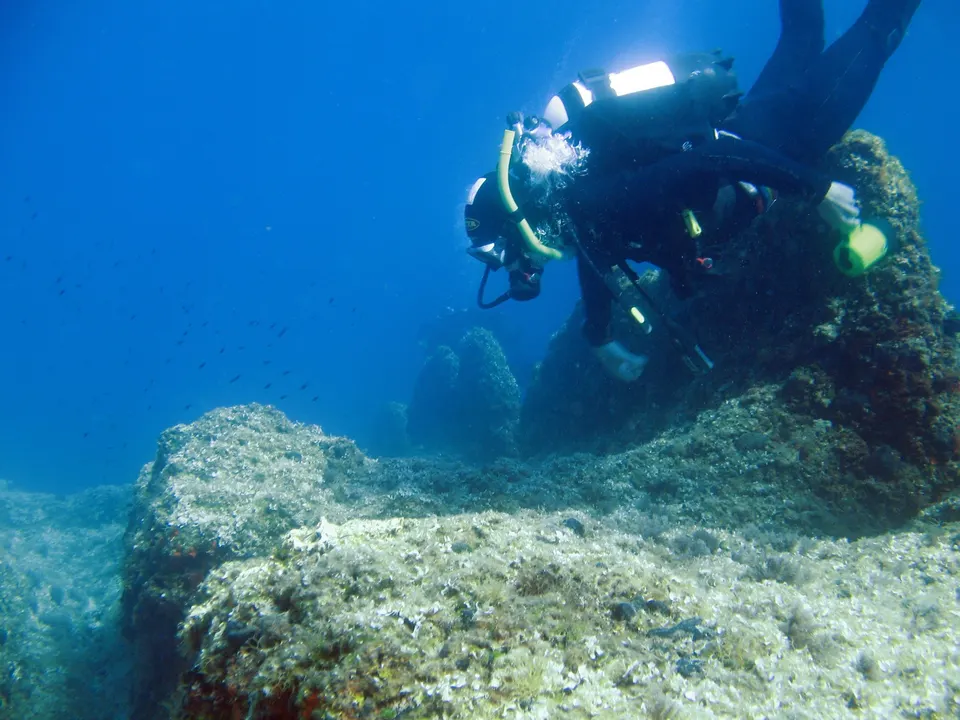
If wrecks are not your interest, the natural sites are reason enough to dive. The rocky coast continues underwater in ledges, small walls and boulder fields, with meadows of seagrass on the sandy bottom between them. Look into the cracks and you will find octopus, moray and conger eels, scorpionfish perfectly camouflaged against the stone, and colourful nudibranchs. On deeper rocks there are sponges and sea fans. The southern tip of the peninsula around Kamenjak and the islets off Pula and Rovinj are among the most rewarding areas.
Seagrass meadows matter more than they appear. They shelter young fish, stabilise the seabed and help keep the water clear, which is one more reason to dive with care and never to stand on or anchor in them.
When is the best time to dive?
The main diving season follows the summer, from late spring into autumn. The sea is warmest in late summer and early autumn, and September is a favourite month for many divers: the water has had all summer to warm up, the boats are less crowded and the light is still strong. Visibility in the northern Adriatic varies with the weather, the wind and the plankton, and can change from day to day. Even in summer the water gets noticeably colder below the surface layer, so a good wetsuit is worth having.
Learning to dive in Istria
Dive centres operate in most of the larger coastal towns, from Umag and Poreč to Rovinj, Pula and Medulin, and many offer introductory dives and full beginner courses. The calm, sheltered bays of the west coast are well suited to first dives. Choose a centre that is properly registered, that asks about your experience and medical fitness, and that briefs you carefully before every dive.
Night dives and quiet shore dives
Some of the most memorable dives in Istria happen close to shore. On a night dive, the reef changes character completely: octopus leave their holes to hunt, crabs and shrimps come out onto the rocks, and the beam of a torch picks out colours that are invisible by day. Many dive centres offer night dives in sheltered bays in summer, and they are a good choice for divers who have already done a few daytime dives in the area.
Shore dives from the rocky coast are another pleasure of the region. Where they are permitted, they let you explore at your own pace, without the boat ride, and they are often the best way to get to know the seabed in front of the place you are staying. Ask a local dive centre for advice on sites, entries and any restrictions before setting off on your own.
Good to know
- Rules. Croatia regulates recreational diving, and some areas and wrecks are protected or closed. Dive centres know the current rules and handle the necessary arrangements; if you dive independently, check the requirements first.
- Certification. Bring your certification card and logbook. Deep and wreck dives require the appropriate training.
- Boats. Always use a surface marker buoy. Boat traffic along the coast is heavy in summer.
- Look, don't take. Do not collect shells, archaeological finds or anything from wrecks. Underwater heritage is protected by law.
- Snorkelling. Not a diver? Many of the same reefs can be enjoyed with a mask and fins from the shore.
Back on the surface
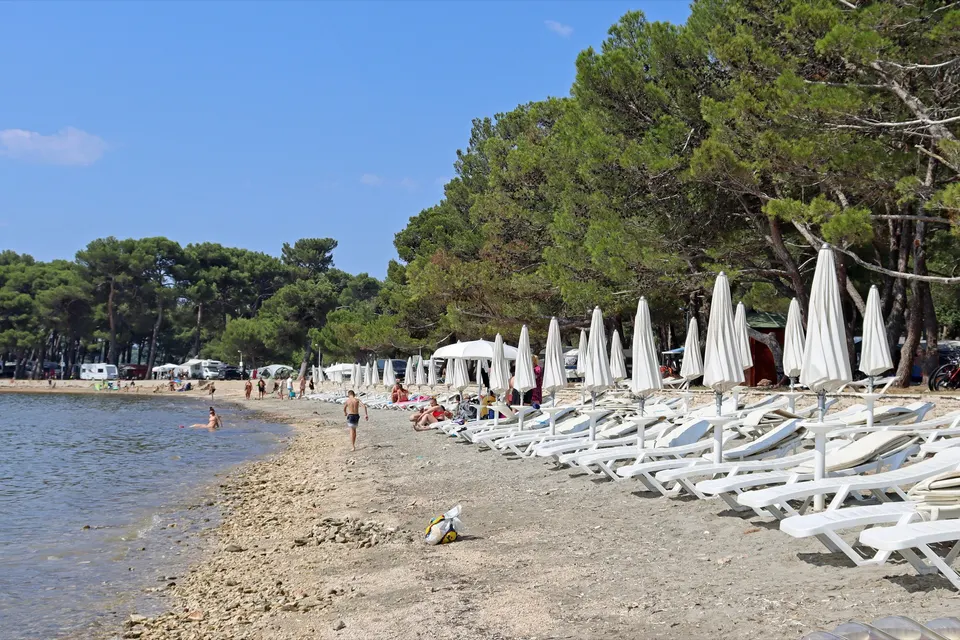
Diving pairs well with the rest of Istria. The Baron Gautsch is dived from the Rovinj area, so combine it with a few days in town and on its beaches and the Golden Cape. In the south, a morning dive near Kamenjak leaves the afternoon free for the cape itself; see our guide to Kamenjak and Premantura.