Flat-pack furniture is cheap, fast and everywhere. Made-to-measure furniture costs more and takes longer. Here is where each one makes sense, and where it does not.
Almost every home has some flat-pack furniture in it, and there is no shame in that. It is affordable, it arrives quickly, and for a first flat or a child's room it often does exactly what is needed. Made-to-measure furniture sits at the other end: designed for one room, built for it and installed in it. It costs more and takes longer.
The interesting question is not which one is better in general, but which one makes sense for a particular room, budget and house. This comparison tries to answer that honestly, including the places where flat-pack is the sensible choice.
What we mean by each
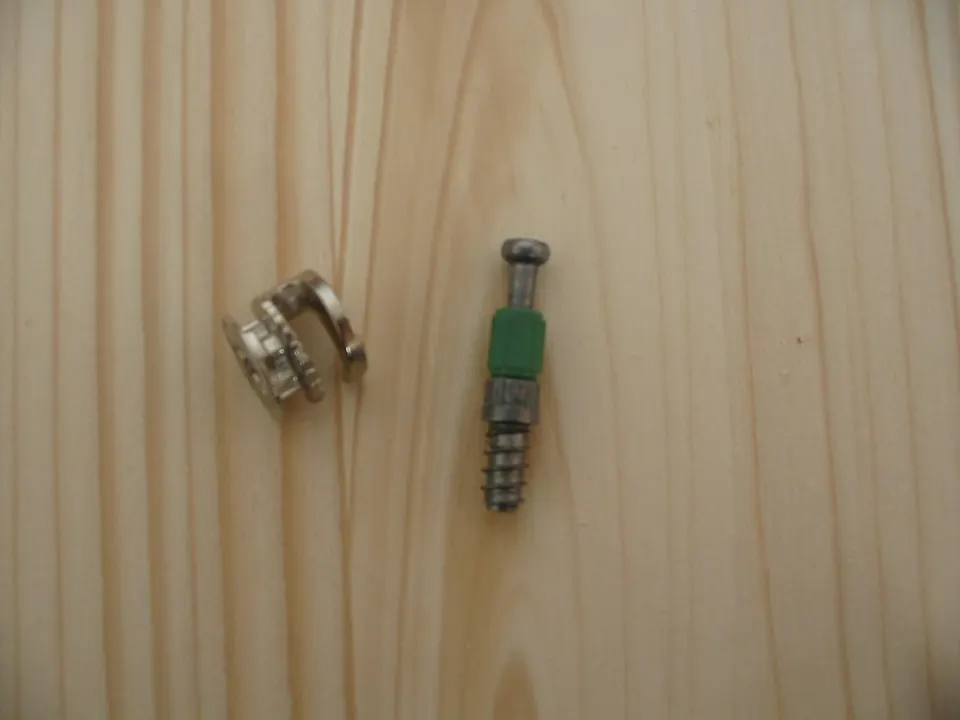
Flat-pack furniture is designed in standard sizes, made in large quantities, packed flat in boxes and assembled at home or by a fitter. Most of it is built from particleboard or fibreboard with a decorative surface, joined with cam fittings and dowels.
Made to measure, or bespoke, furniture is designed for a specific space and a specific use. The maker measures the room, agrees the design with the client, builds the pieces and usually installs them. The materials depend on the maker; at its best, the structure is plywood or solid timber rather than a chip-based board.
Fit: standard boxes in a room that is not standard
Flat-pack is built around a grid of standard widths and heights. If your wall happens to fit that grid, the result can look neat. Most walls do not. The remainder becomes a filler panel, an awkward gap above the wardrobe or a corner nobody can reach. In old stone houses, where walls lean and alcoves come in every size, the gaps multiply.
Made-to-measure furniture starts from the room. A wardrobe can run right up to a sloping ceiling, a bookcase can fill an alcove exactly, a bench can follow the line of a window. This is the main reason people choose it: not luxury, but the use of every centimetre in a room that standard boxes would waste.
Materials: what is inside the finish
Here the difference is larger than it looks in a showroom. Particleboard is flat, cheap and stable in a dry room. It does not like water: once moisture reaches it through a cut edge or a drilled hole, it swells and does not recover. Its screws hold by gripping compressed chips, so furniture that is taken apart and reassembled loses much of its strength.
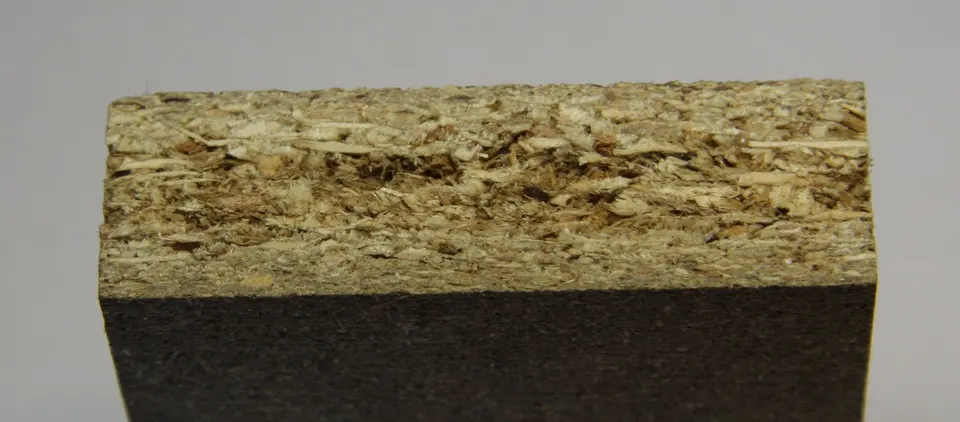
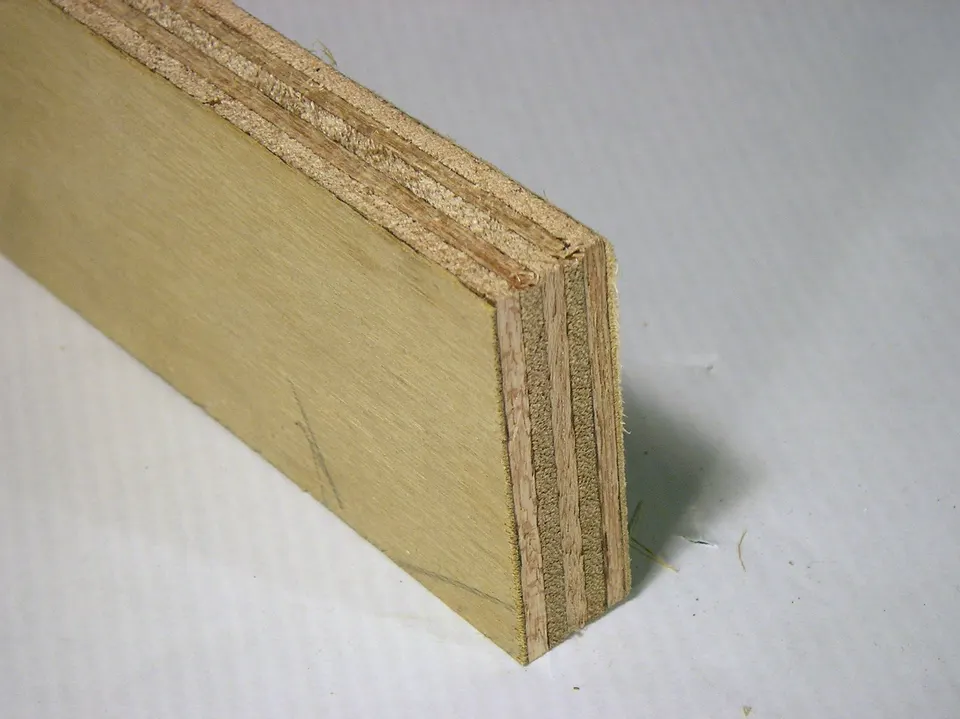
Plywood is built from sheets of wood veneer glued crosswise. It keeps its shape, holds screws and fittings well even after reassembly, is more resistant to moisture when the edges are protected, and can be repaired. It is also lighter for the same strength. For a coastal house, where humidity rises and falls with the seasons, this is often what decides how long a piece lasts. Our longer comparison of plywood and particleboard goes into the detail.
Flat-pack is cheap on the day you buy it. The question is what it costs per year you live with it.
Cost: the price on the day, and the price over time
Flat-pack wins on the price tag, clearly. Mass production and standard sizes keep costs down, and you can often take it home the same day. Made-to-measure furniture costs more, because each piece is designed and built individually from better material.
Two things narrow the gap. First, lifespan: furniture that survives several moves, a renovation and years of humid summers does not need replacing, and a damaged plywood panel can be repaired rather than the whole piece thrown away. Second, how you buy it. Made-to-measure does not have to come with a showroom mark-up. When a local atelier designs, builds and installs directly, the money goes into material and work rather than into distribution. That is why we keep saying it: made to measure is not only for millionaires.
Time, effort and installation
Flat-pack is fast to get and slow to build. Anyone who has spent a weekend with an instruction sheet and a hex key knows the second part. Made-to-measure takes longer to arrive, because it is designed, approved and then made, but it is usually installed by the people who built it, who also deal with uneven walls and floors on the spot.
For a holiday house, there is another factor: you are often not there. Furniture that arrives finished and installed, without days of assembly on site, can matter more than the delivery date.
When flat-pack is the right choice
- Short-term use. A flat you will leave in a year or two, or a room that will be renovated soon.
- Dry rooms with light loads. A shelf in a study, a small bedside table, a children's room that will change as they grow.
- Standard spaces. A new-build room with square walls where standard widths fit well.
- A tight budget today. Sometimes the honest answer is to buy cheaply now and replace later.
When made to measure pays off
- Built-in storage. Wardrobes, kitchens and alcove units, where fit matters most.
- Damp or coastal houses. Where the board under the finish decides how long the piece lasts.
- Heavy daily use. Rentals, family houses, kitchens and anything opened many times a day.
- Old buildings. Stone houses with uneven walls, low beams and irregular rooms.
- A house you will keep. When you would rather buy once than buy twice.
A middle way
You do not have to choose one approach for the whole house. Many owners spend on the pieces that work hardest and fit tightest, such as the kitchen, wardrobes and the bathroom vanity, and fill the rest with simpler furniture they can change later. If you are furnishing a rental, our guide to furniture that survives the season shows where guests are hardest on a house.
Lampisa, our partner atelier in Istria, makes furniture to measure in plywood rather than particleboard. With its from moodboard to render service, you bring images of what you like, the atelier shows you a 3D render of the furniture in your own room, and production starts only once you have approved it.