Trends come and go every season. In Istria, two materials have quietly outlasted all of them.
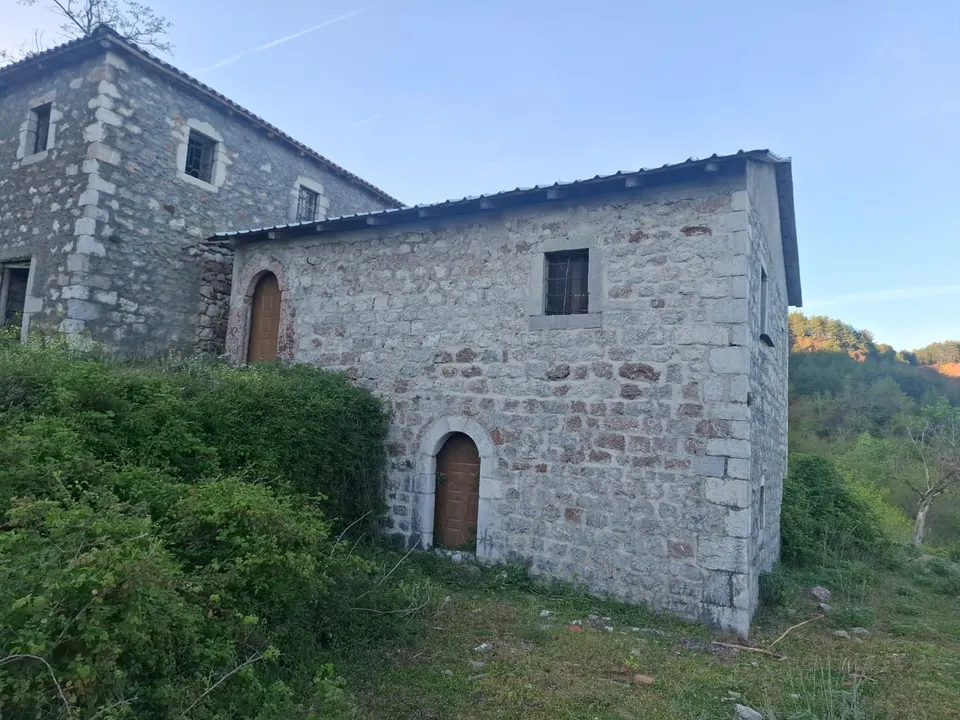
Drive inland from the coast and the land changes colour. Red soil, grey stone walls, oak woods on the slopes. The old houses of the interior were built from what was there: limestone for walls and thresholds, oak for beams, doors and furniture. Nobody called it a style. It was simply how a house was made.
That plainness is exactly why it works so well today. Stone and oak are calm materials. They do not compete with a view, and they do not look dated in ten years because they were never fashionable in the first place.
Why the combination works
Stone is cool, heavy and matt; oak is warm, lighter and slightly lustrous when oiled. Put together, each makes the other look better. A rough stone wall makes a smooth oak table feel refined. A pale stone floor makes oak look richer. It is the same contrast that makes old Istrian kitchens feel so comfortable: cold surfaces for work, warm surfaces for sitting.
Bringing it into a contemporary house
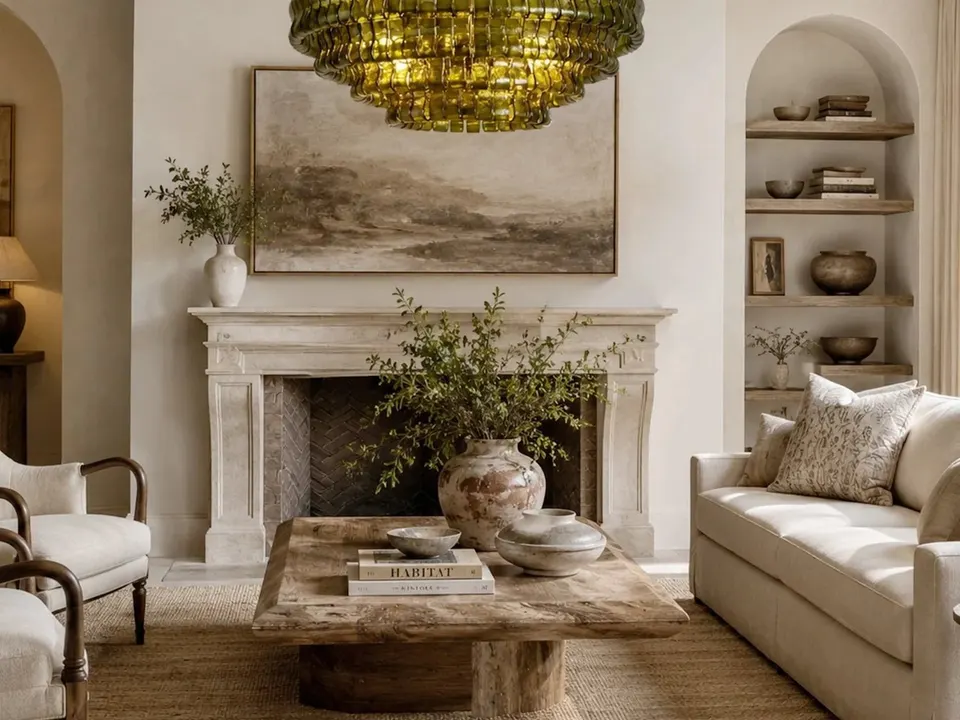
You do not need an old farmhouse to use this language. In a modern villa, a single wall of local stone, a long dining table and built-ins with simple handles, all finished in oak, are enough to anchor the whole house. Keep the rest quiet: plain plaster, linen, and a restrained palette of whites, sand and grey-green.
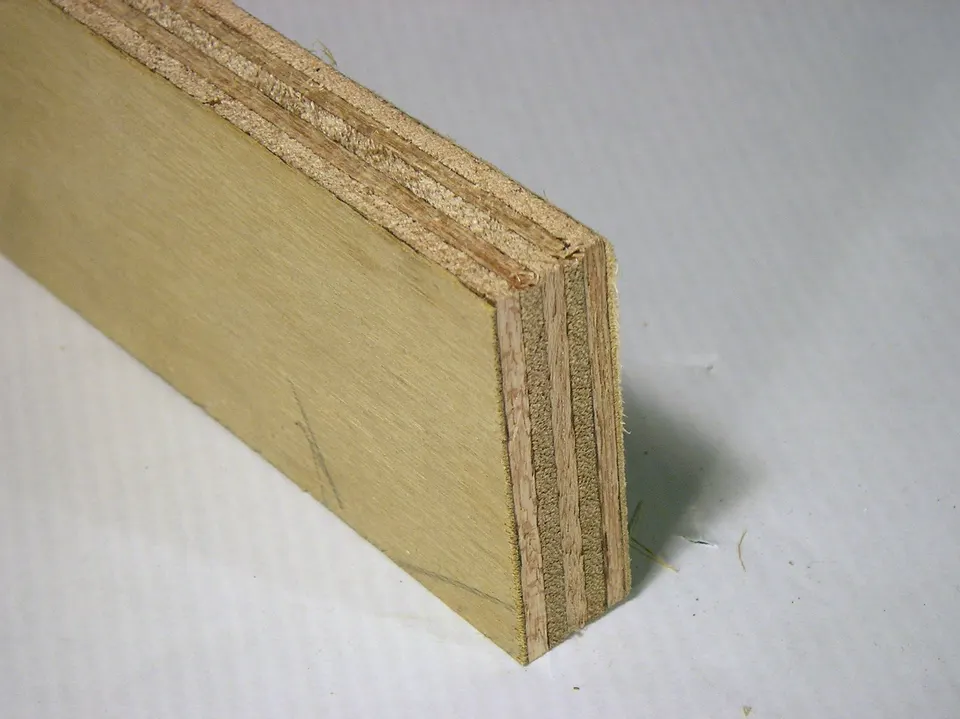
The mistake is to overdo it. Too much rustic timber turns a house into a theme. Choose a few pieces with the warmth of oak, make them generous in scale, and let the stone do the rest. That warmth does not have to mean solid timber: an oak veneer or oiled oak surface on a plywood carcass gives the same look and moves far less with the seasons.
Stone and oak never looked dated, because they were never fashionable.
Details that make the difference
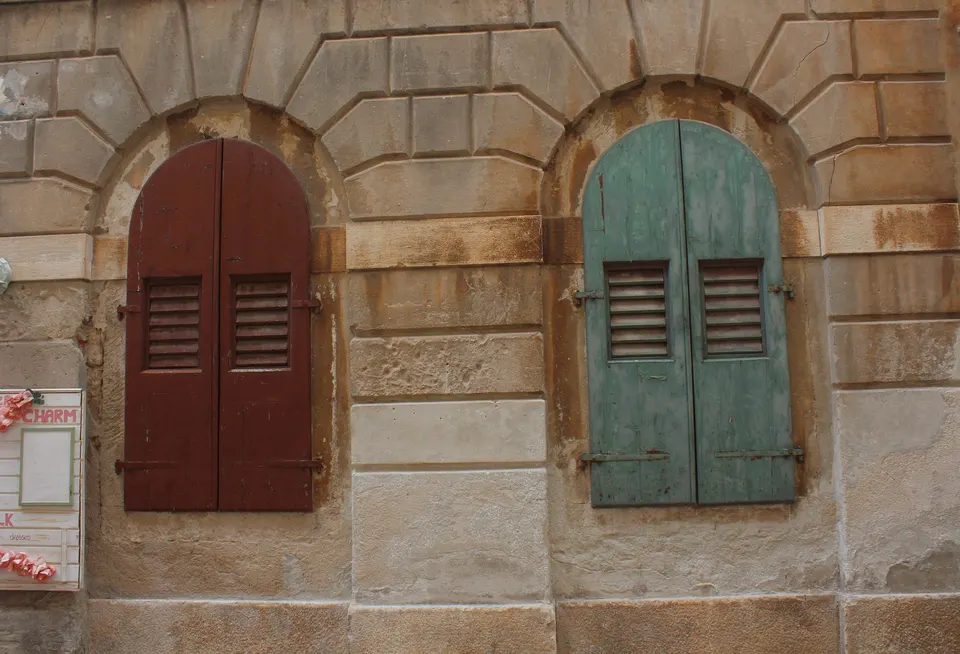
Look at edges and joints. A generous tabletop with a softly rounded edge feels very different from a thin board with a sharp one. Edges also tell you how a piece is made: a clean plywood edge shows care; a peeling strip over crumbling particleboard shows the opposite. Stone tops benefit from a honed rather than polished finish, which suits the light here and hides marks better.
A palette for the whole house
If you want a simple rule, take the colours from outside. The grey of stone walls, the green of olive leaves, the rust of the soil, and the blue-grey of the sea in winter. Use oak, in floors, doors and furniture surfaces, as the constant thread through every room. The result will feel local without feeling old-fashioned, and it will still feel right when today's trends have been forgotten.
Floors
Floors set the tone of a house more than any other surface. Stone floors keep rooms cool in summer and look right in a Mediterranean house, especially in honed or brushed finishes that feel soft underfoot. Wide oak boards bring warmth to bedrooms and living rooms. Many restored houses combine the two: stone in kitchens, hallways and ground floors that open onto terraces, oak upstairs where warmth and quiet matter more.
The furniture
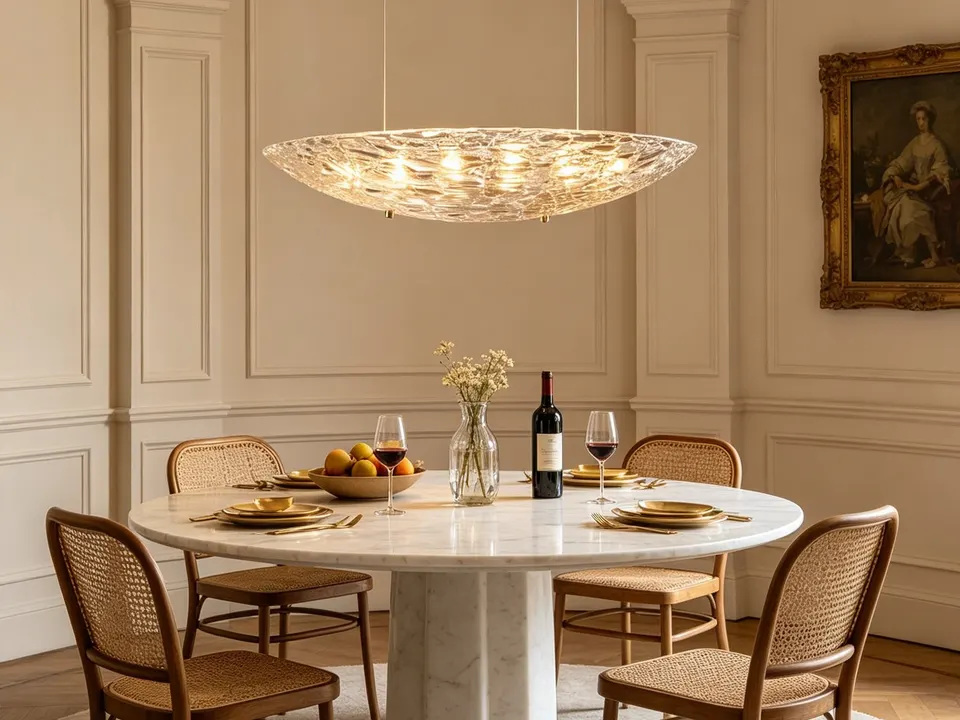
Against stone and oak, furniture should be simple, solid and generous. A long table with a generous top in an oak finish, benches or chairs with woven seats, beds with plain wooden or linen-covered headboards, built-in cupboards with simple wooden pulls. Upholstery in linen, wool and leather. Metal in small doses: iron, brass, bronze. Nothing that looks fragile or fussy. The aim is a house where everything feels as though it could have been made nearby, and much of it still can be.
Avoiding the theme
The risk with a strong local style is pastiche: fake beams, artificial rustic finishes, everything distressed. The answer is honesty. Use real stone, real oak and real lime plaster, in simple modern forms. Honesty applies inside a piece too: real oak over sound plywood is honest; oak-printed foil over particleboard is not. A clean-lined sideboard in front of a rough stone wall is more convincing than any reproduction farmhouse cupboard.